
Protect Productivity With Proactive and Targeted Pest Management
Industrial facilities operate on precision, timing, and efficiency. Whether managing manufacturing plants, distribution centers, or processing facilities, even minor disruptions can lead to costly delays. Industrial pest control strategies that minimize operational disruptions focus on preventing infestations before they interfere with workflow. Instead of reacting to visible problems, these strategies emphasize monitoring, exclusion, and targeted treatments designed to protect both infrastructure and productivity. Retail centers frequently partner with Dustin Pest Control The Lakes for consistent and discreet service.
Large industrial environments often contain expansive storage areas, loading docks, raw materials, and complex structural layouts. These conditions can attract rodents, insects, and other pests if vulnerabilities are left unaddressed. Professional pest control begins with a detailed site assessment to identify risk zones, entry points, and environmental factors contributing to pest activity. By understanding traffic flow, storage practices, and building design, specialists develop customized plans that align with the facility’s operations.
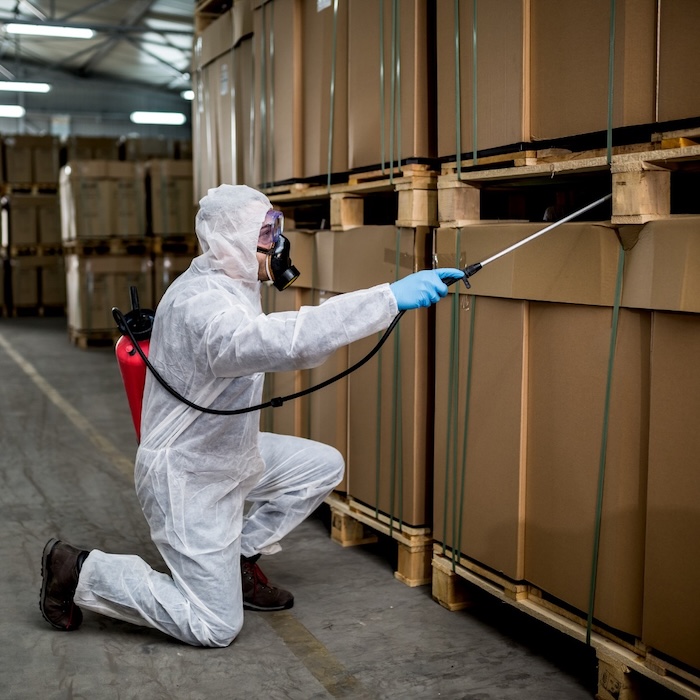
Prevention remains the foundation of effective industrial pest management. Sealing structural gaps, improving sanitation protocols, and managing waste areas reduce opportunities for pests to enter and thrive. Ongoing monitoring systems, including strategically placed detection devices, allow technicians to identify early signs of activity. This proactive approach ensures that small concerns are resolved before they escalate into larger infestations capable of halting production lines or contaminating inventory.
When treatment is necessary, industrial pest control strategies prioritize minimal interruption. Services are scheduled to accommodate shift patterns and operational demands. Advanced application methods target specific areas without affecting machinery or sensitive materials. Clear communication between pest control professionals and facility managers ensures that safety guidelines and compliance standards are maintained throughout the process.
Industrial environments often operate under strict regulatory requirements, especially in sectors such as food processing or pharmaceuticals. Comprehensive documentation, inspection records, and adherence to industry standards are essential. Professional pest control providers understand these regulations and incorporate compliance into every aspect of their service. This attention to detail protects businesses from penalties while reinforcing quality control measures.
Industrial pest control strategies that minimize operational disruptions offer more than immediate problem resolution. They create a structured defense system that supports consistent productivity and long-term stability. By combining preventative planning, precise monitoring, and efficient intervention, facilities maintain safe and secure working environments. With expert oversight in place, industrial operations continue running smoothly, free from the costly setbacks and reputational risks associated with unmanaged pest activity.